Awaam & Sipaah Gallery
A Living Chronicle of Shared Valour and Sacrifice
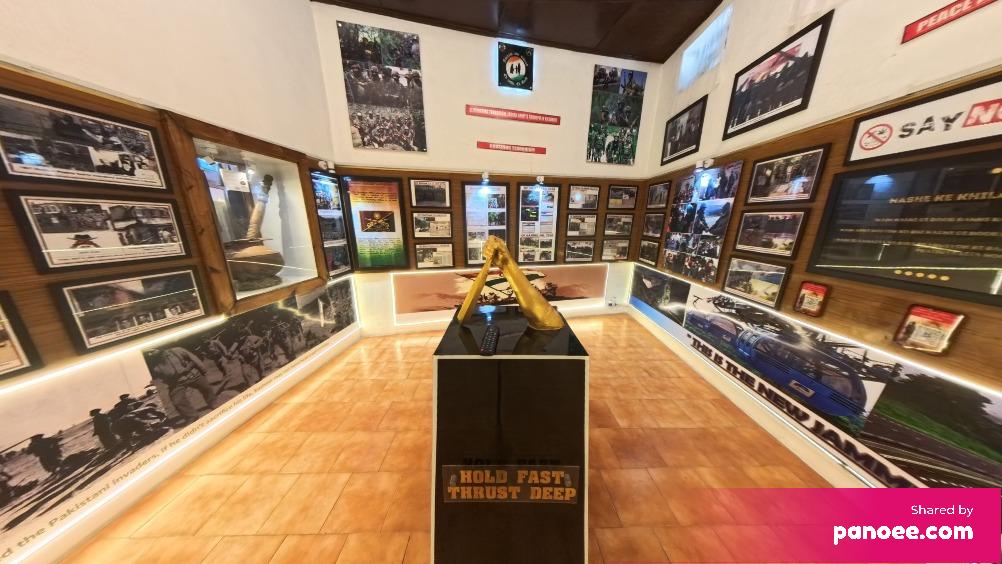
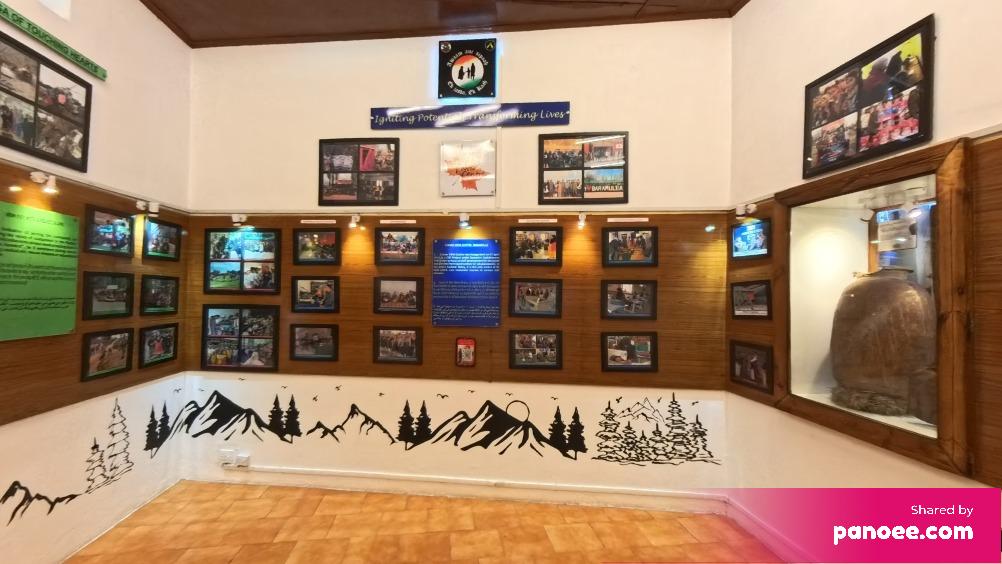
This unique Gallery stands as a tribute to the unwavering bond between the Awaam (locals) and the Sipaah (soldiers), who together have confronted and defeated the forces of evil and subversion through decades of dedication and sacrifice. The Gallery, built for and by the people, captures the region’s remarkable journey from the time of independence to the present day. Through carefully curated artefacts, rare photographs, archival films and interactive storytelling sessions led by knowledgeable faculty members, the Gallery tells powerful stories of resilience, unity, and mutual trust that have stood the test of time. Each exhibit echoes the sacrifices made on both sides of the valiant soldiers and the brave local people who have consistently thwarted the concealed and divisive designs of hostile elements.
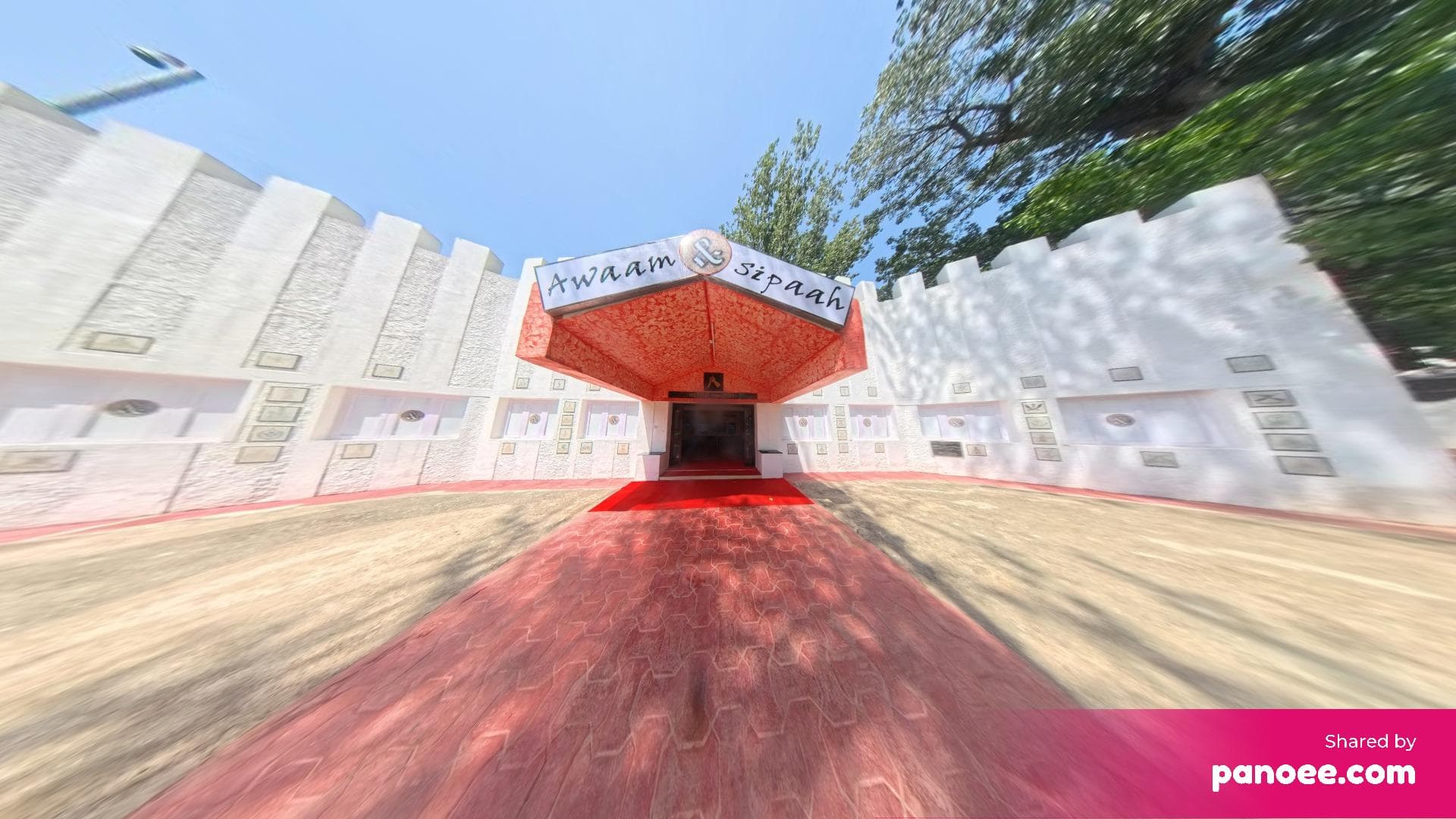
The Awaam & Sipaah Gallery is envisioned not only as a heritage centre but also as a platform for community engagement and patriotic education. It invites students, scholars and citizens from all walks of life to walk through history and feel the pulse of a people’s indomitable will. With its doors now open, the Gallery promises to be a symbol of unity, a guardian of truth and a powerful reminder of what can be achieved when people and protectors stand together.

HISTORY OF DAGGER DIVISION
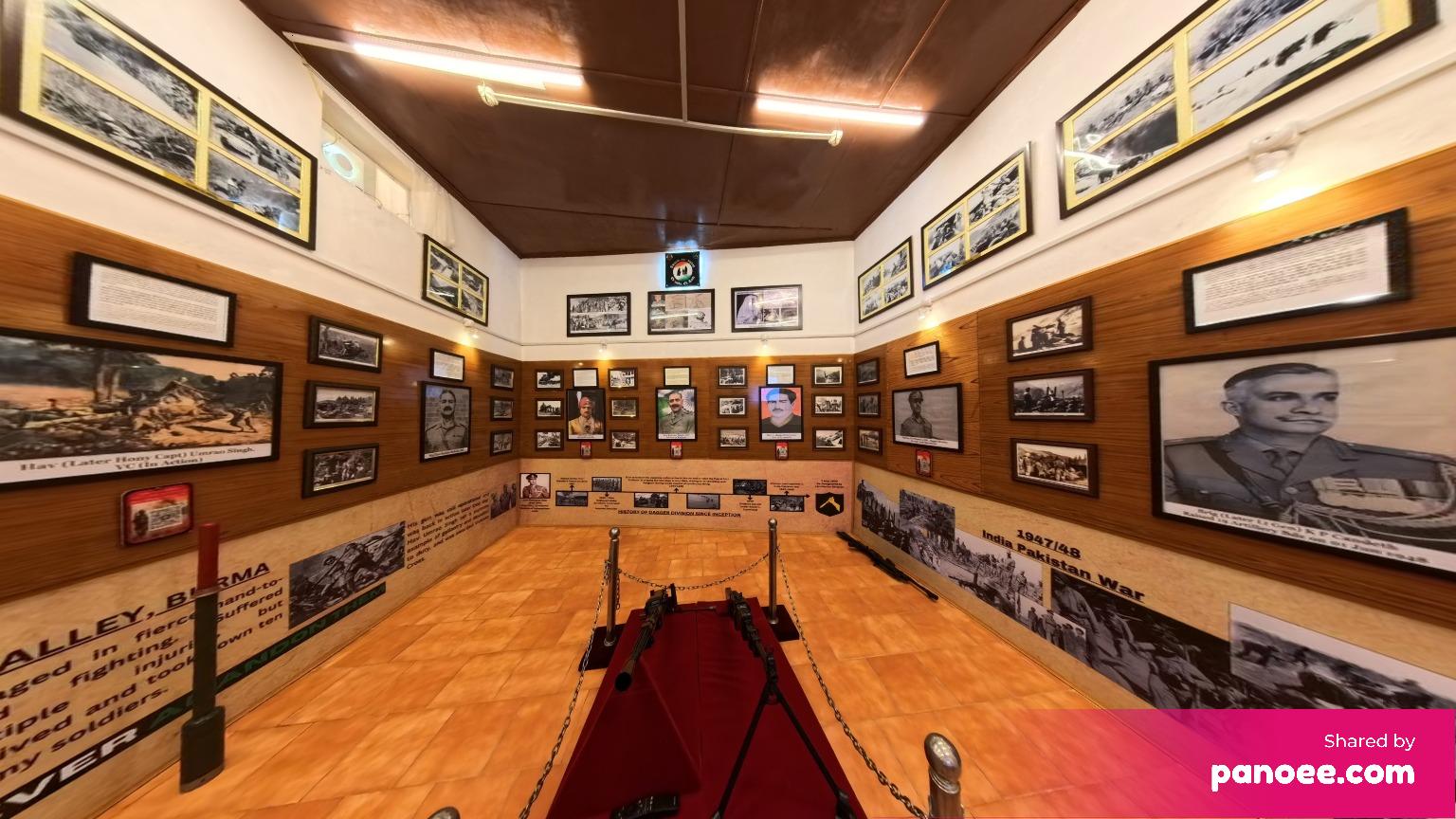
The 19th Infantry Division of the Indian Army – nicknamed the “Dagger Division” from its formation badge – was raised in Secunderabad in October 1941. Formed initially as the 18th Indian Division, it was re-numbered the 19th Division on 2 November 1941. Its first commander was Brigadier Sir John G. Smyth, VC, MC. The division was immediately placed under Southern Army (in Southern Command), tasked with defending India’s east coast against possible Japanese attacks. As part of Southern Army (33 Corps), it spent 1941–44 on internal security and coast‑defence duties in South India – guarding the ports and approaches around Visakhapatnam, Madras (Chennai) and Trichinopoly – before being committed to active operations.
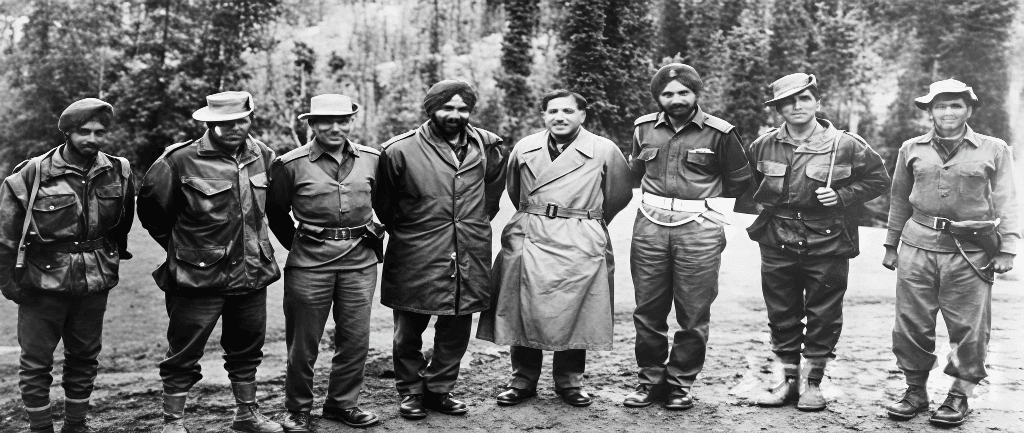
In mid-1944 the 19th Division was transferred to the Fourteenth Army in Burma. In July 1944 it began operations under IV Corps on the Imphal–Manipur front. By October–November 1944 its brigades advanced across the Chindwin River in Central Burma to link up with forces from the north. In December 1944 the Dagger Division launched the main part of the British–Indian offensive in Central Burma. Its troops crossed the Irrawaddy River at Kyaukmyaung and fought a series of hard battles in the Shwebo Plain. By early March 1945 the division had broken through Japanese lines and driven toward Mandalay. On 8 March its leading elements reached the outskirts of Mandalay; heavy fighting continued through mid-March on Mandalay Hill and at Fort Dufferin. The Japanese garrison finally surrendered on 20 March 1945 and the city was cleared soon after. Following Mandalay’s fall, the division pushed south to capture Toungoo, Kalaw and other key points. Throughout the Burma campaign the 19th Division was noted for its high morale and battle-ready troops – and from its badge of a yellow dagger on red, it earned the nickname “Dagger Division.”
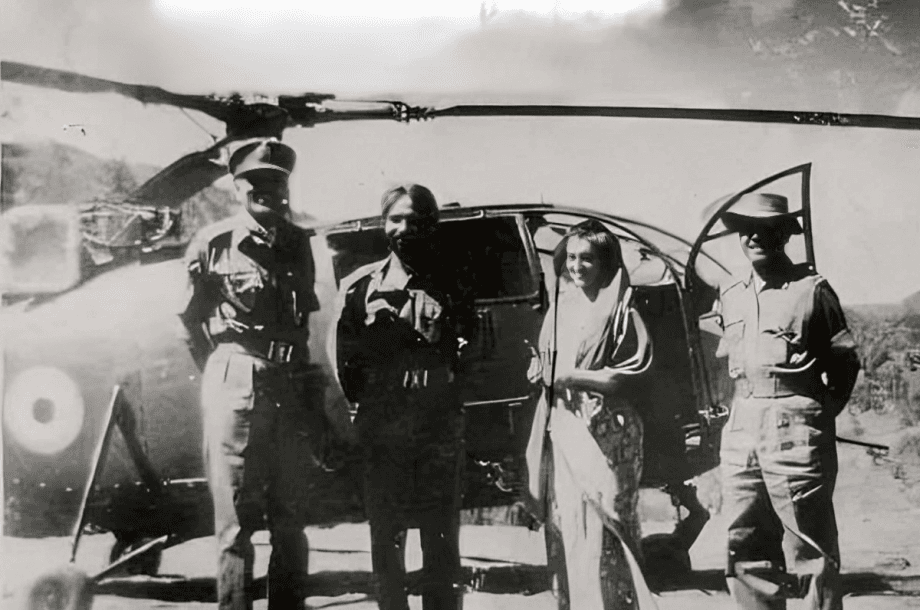
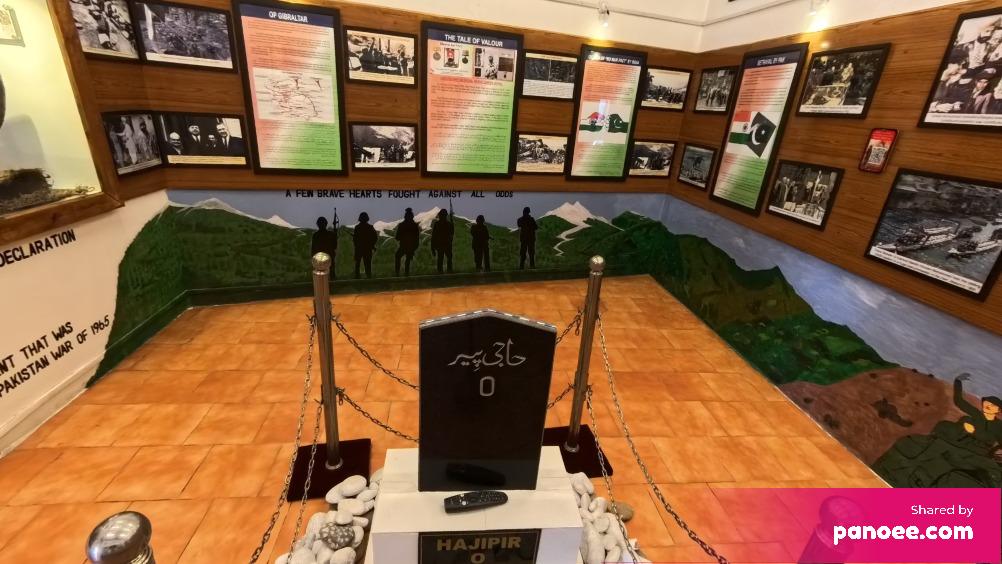
After the Japanese surrender, the 19th Division returned to India. It briefly came under Eastern Command in early 1946 but was then disbanded around mid-1946 as the army demobilized. With the 1947–48 invasion of Jammu & Kashmir by tribal raiders, India rapidly re-formed divisional headquarters. In April–May 1948, a new formation called the “Srinagar Division” (SRI Division) was created to defend the Kashmir Valley. Major General K.S. Thimayya, DSO – a decorated WWII veteran – was appointed General Officer Commanding of SRI Division and moved to Srinagar on 4 May 1948. SRI Division commanded the Indian brigades in Kashmir and took part in operations to push the invaders back. On 6 December 1948, the SRI Division was officially redesignated as the 19th Infantry Division, reviving the historic title and retaining its iconic dagger insignia.” The Dagger Division became a permanent part of the Indian Army, headquartered in Baramulla. During the 1965 Indo-Pak War, it fought in the Uri–Baramulla sector under XV Corps. Its commander, Major General S.S. Kalaan, led operations against infiltrating forces and captured the strategic Hajipir Pass – for which he was awarded the Maha Vir Chakra.
"In the 1971 Indo-Pak War, the division guarded a 200 km front along Kashmir and captured large areas of Pakistani-administered Kashmir. Today, the 19th “Dagger” Division remains an active formation of the Indian Army, carrying forward its legacy from World War II into modern times."
History of Baramulla
Baramulla or Varmul is a historic township founded by Raja Bhimsena in 2306 BC. Pandit Kalhana, in his renowned chronicle Rajatarangini, recounts the legend of the origin of Kashmir — a time when the Valley was a vast lake, hundreds of feet deep, known as Sati Saras (Lake of Sati), named after Sati, the consort of Lord Shiva. According to the legend, a demon named Jalodbhava came to occupy Sati Saras and held the local tribes hostage. As the demon remained submerged in the water where he was invincible, Lord Vishnu summoned his brother Balabhadra, who pierced the surrounding mountains with his plough to drain the lake. Once the waters receded, Vishnu slew the demon, liberating the Valley.
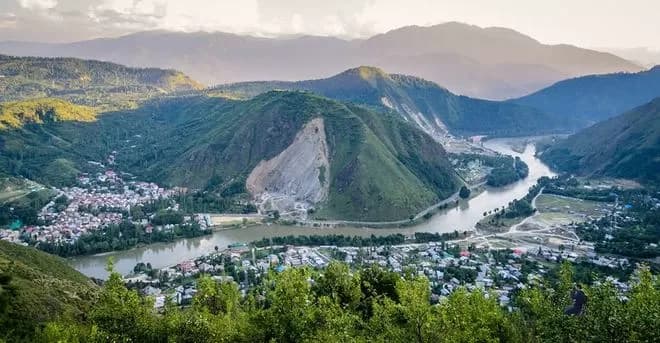
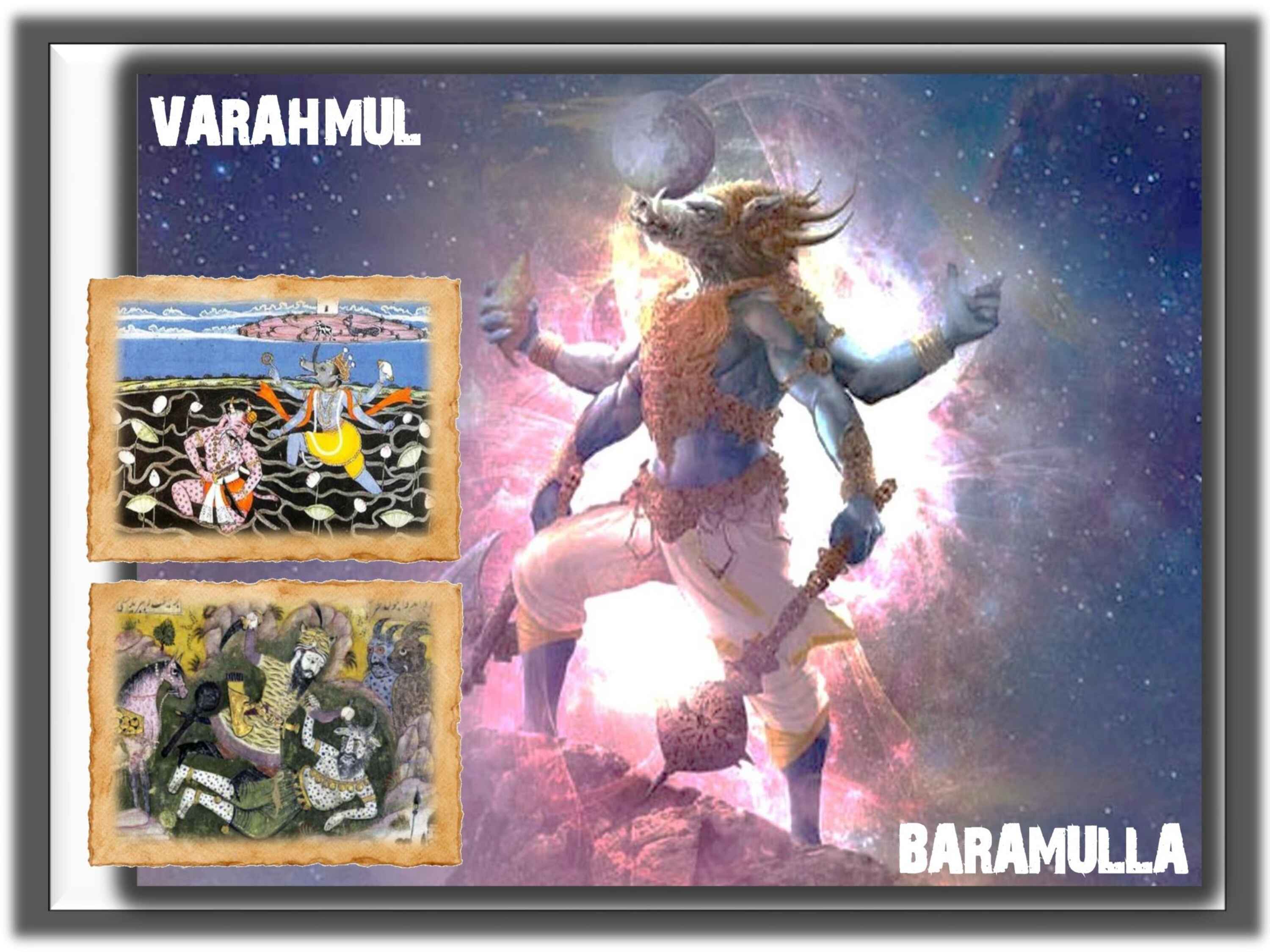
Another legend tells that Lord Shiva took the form of a wild boar and struck the mountains at Baramulla — derived from Vraha (Boar) and Mulla (Molar) — to drain the lake and later killed Jalodbhava. Since ancient times, owing to its strategic geographic location, Baramulla became a home to Hindus, Muslims, Buddhists and Sikhs, who lived in harmony and together nurtured the spirit of Kashmiriyat. This traditional centrality in religion, education and culture amidst the kaleidoscopic influences of various kingdoms, rulers and faiths, ensured that Baramulla remained inextricably linked to the fate and future of the Valley.