Victory of Hajipir
Introduction
In August 1965, the serene Kashmir Valley once again found itself at the center of conflict. Armed Pakistani infiltrators had entered Indian territory with the intent to incite unrest and panic. This covert operation Operation Gibraltar was part of Pakistan’s broader strategy to destabilize Jammu and Kashmir and create the illusion of a local uprising against India. Pakistan aimed to spark internal rebellion and use it as a pretext to launch a full-scale invasion, ultimately seeking to annex the region. However, what Pakistan did not anticipate was the unwavering patriotism and resilience of the Kashmiri people. Far from siding with the intruders, the locals especially in Baramulla rose in defense of their homeland. Citizens identified, confronted and even captured infiltrators, handing them over to Indian authorities. One remarkable example of this courage came from Mohammaduddin, a young man from Tangmarg, who bravely apprehended Pakistani officers disguised as civilians and handed them over to the Indian Army. His actions embodied the collective spirit of the people of Kashmir a people determined to protect the peace, dignity and sovereignty of their land.
Actual Story
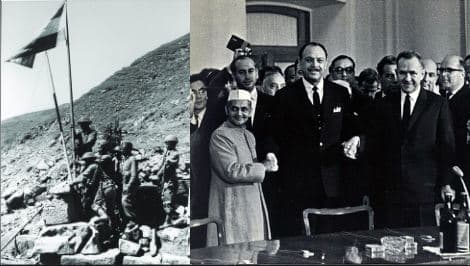
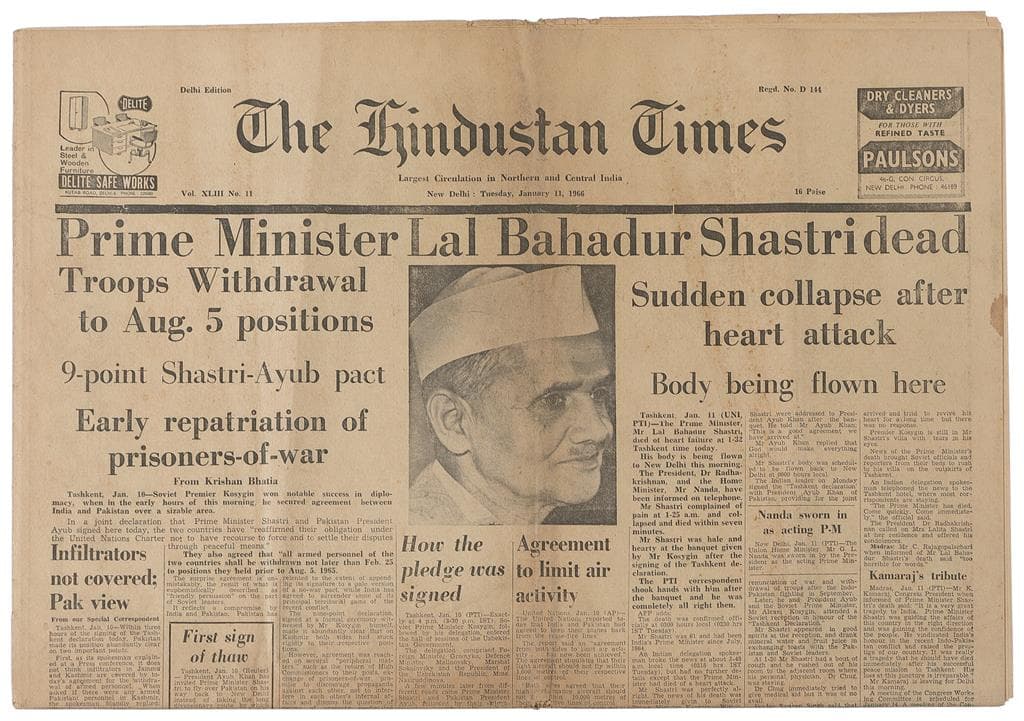
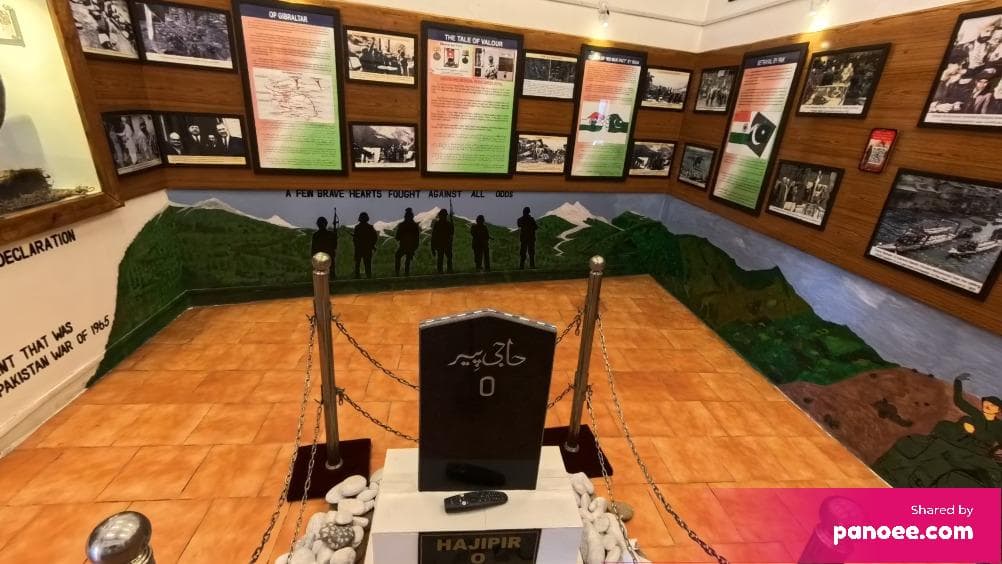
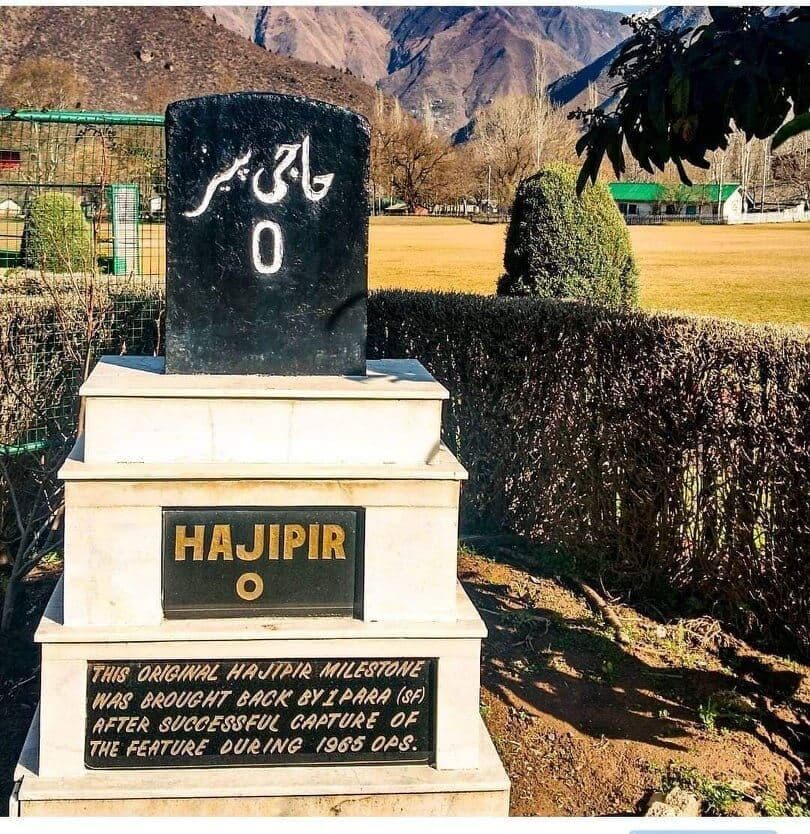
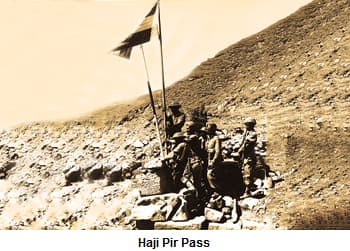
Pakistan’s Operation Gibraltar was not an isolated miscalculation. It echoed the same flawed logic that led to its failed invasion in 1947. In 1965, India was recovering from the aftermath of the 1962 war with China and was facing economic hardship. Prime Minister Lal Bahadur Shastri had only recently assumed leadership and was guiding the nation through a delicate period of rebuilding and modernization. On the other hand, Pakistan believed it had an advantage due to its acquisition of modern weaponry and military aid from the United States. But in its strategy, it forgot a vital truth the true strength of a nation lies not in its weapons, but in the courage of its people and soldiers. India did not respond passively. Prime Minister Shastri, known for his quiet strength, made it clear that aggression would not go unanswered. Under his leadership, the Indian Army launched a counter-offensive that displayed remarkable planning and courage. A key element of this response was the capture of Hajipir Pass, a critical position in Pakistan-occupied Kashmir located between Uri and Poonch. The pass served as a key infiltration route for Pakistani forces. On 25th August 1965, India launched Operation Bakshi under the overall command of Brigadier Zorawar Chand Bakshi, with Major Ranjit Singh Dayal leading the charge on the ground. The mission was executed in harsh conditions pouring rain, slippery mountain slopes and pitch darkness. Soldiers of the 1 Para Regiment advanced through the challenging terrain with undeterred determination. Despite heavy resistance, they captured the Hajipir Pass and hoisted the tricolor, dealing a significant blow to Pakistan’s infiltration efforts. Major Ranjit Singh Dayal was awarded the Mahavir Chakra, one of India's highest gallantry awards, for his fearless leadership and success under extraordinary circumstances. This victory did more than reclaim territory it reawakened a wave of national pride and unity across India. People from all walks of life rallied behind the armed forces with the spirited slogan: “Jai Jawan, Jai Kisan”. The country stood together to honor its defenders and reaffirm its unity in the face of foreign aggression. The events of 1965 are a testament to the unwavering courage of both soldiers and civilians. The people of Kashmir, far from aligning with invaders, stood shoulder to shoulder with the Indian Army. Their actions proved once again that Kashmir is not just a land of beauty it is a land of bravery.