Agony of Partition
Introduction
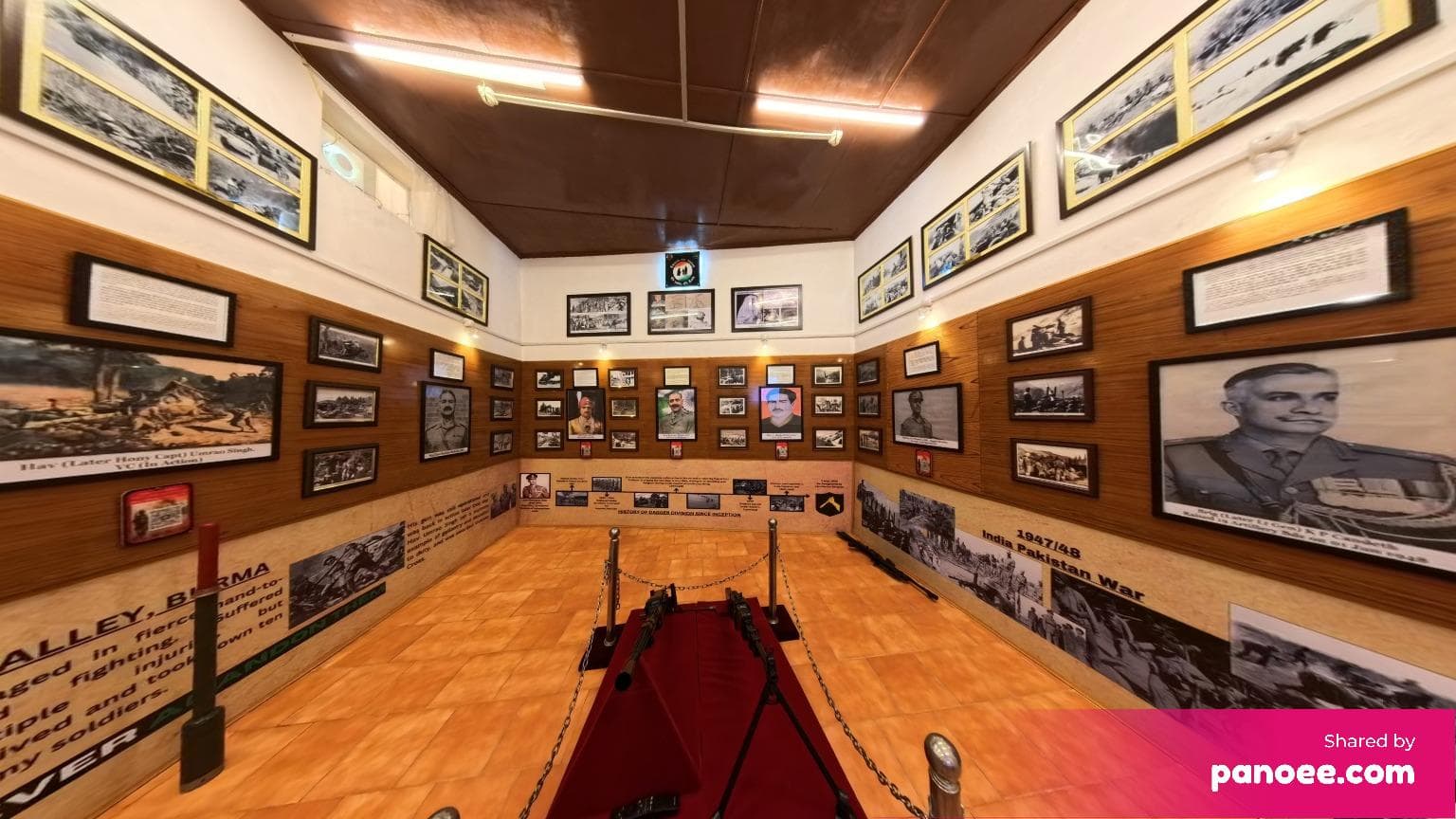
Welcome to a story not only etched in the pages of military history but also deeply rooted in the soul of Kashmir. It is the story of a unit that has stood tall through some of the most testing times and forged an unbreakable bond with the people of the Valley. This is the story of the 19th Infantry Division known today as the Dagger Division a name that inspires pride, courage and resilience. From the dense jungles of Burma to the snow-clad mountains of Kashmir, the Division’s journey is one of extraordinary endurance, Valour and camaraderie not just among its soldiers, but with the very people it serves and protects.
Actual Story
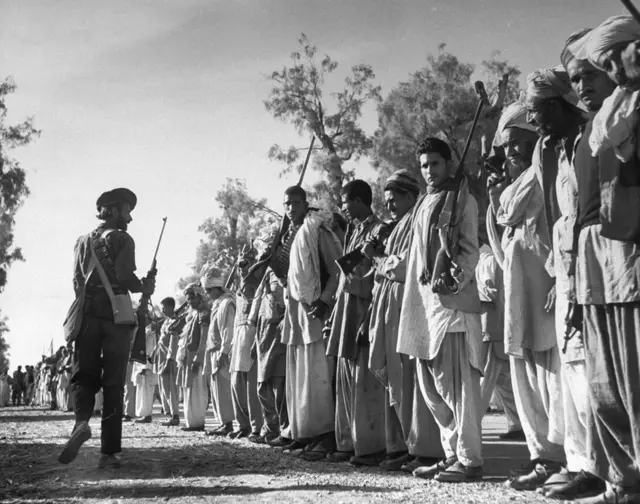
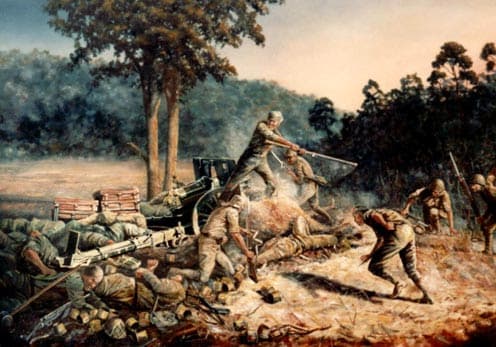
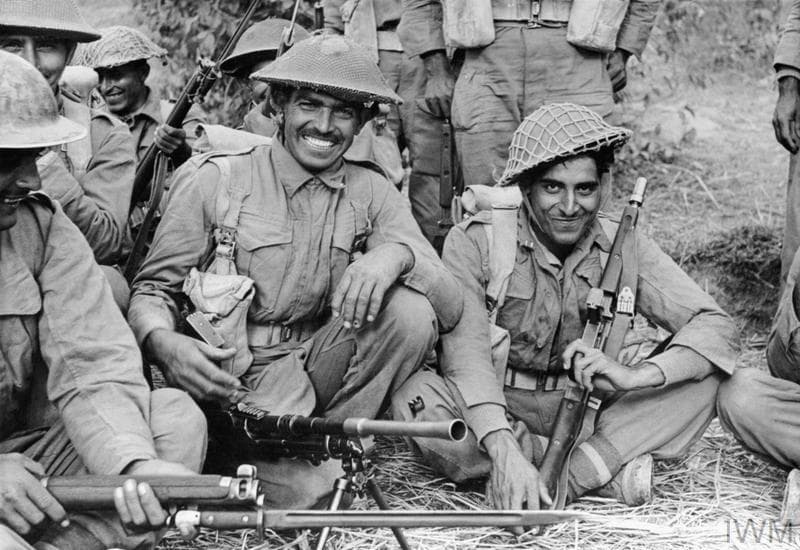
The journey of the 19th Infantry Division began on 1 October 1941. Soon after its establishment, the division was tested in the fires of World War II during the Burma Campaign a campaign that would shape its identity as a force of unmatched bravery and effectiveness. On 1 April 1944, the division was deployed to the thick forests of Burma, where under the command of Field Marshal William Slim, it confronted the Japanese forces. With the war cry “Hold fast, thrust deep,” and its emblem the closed fist with a dagger, the division carved its name in glory. The 19th Infantry Division crossed the mighty Irrawaddy River and played a decisive role in capturing Mandalay, Fort Dufferin and Mabon. In this brutal and courageous campaign, Captain Ranbir Bakshi of the 19th Artillery Brigade was awarded the Military Cross for leading with sharp intellect and daring bravery. Havildar Umrao Singh displayed unmatched Valour by using the rammer of his gun to kill several Japanese soldiers in close combat, earning him the Victoria Cross, the highest gallantry award of the British Empire. But the true test of the division’s legacy came soon after India's independence, when Pakistan launched Operation Gulmarg on 22 October 1947, with the intent of capturing Jammu and Kashmir. Tribal raiders, supported by Pakistan, began advancing from Muzaffarabad toward Srinagar, creating havoc along the way. In a bid to delay their march, Brigadier Rajendra Singh, the Chief of Staff of the Jammu and Kashmir State Forces, blew up the Lal Pul bridge in Uri. His heroic sacrifice earned him the title of “Saviors of Kashmir”, as he held off the attackers long enough for reinforcements to arrive. On 27 October 1947, the Indian Army landed at Srinagar Airfield, marking the first military intervention in defense of Kashmir. However, before the army could arrive, Baramulla was looted and terrorized for three days by the raiders. Amidst this chaos, a young Kashmiri named Maqbool Sherwani rose as a symbol of courage. By deliberately misleading the tribal invaders about the route to Srinagar, he bought valuable time for the Indian Army to secure the city. In retaliation, he was tortured and martyred by the raiders but his act of bravery remains immortal. He is remembered as “Sher-e-Baramulla,” the Lion of Baramulla. These stories are not just of soldiers, but also of the valiant Kashmiri people, who refused to be silent spectators in the defense of their land. They fought back in every way they could by resisting, by informing and by standing with the army as true patriots.