
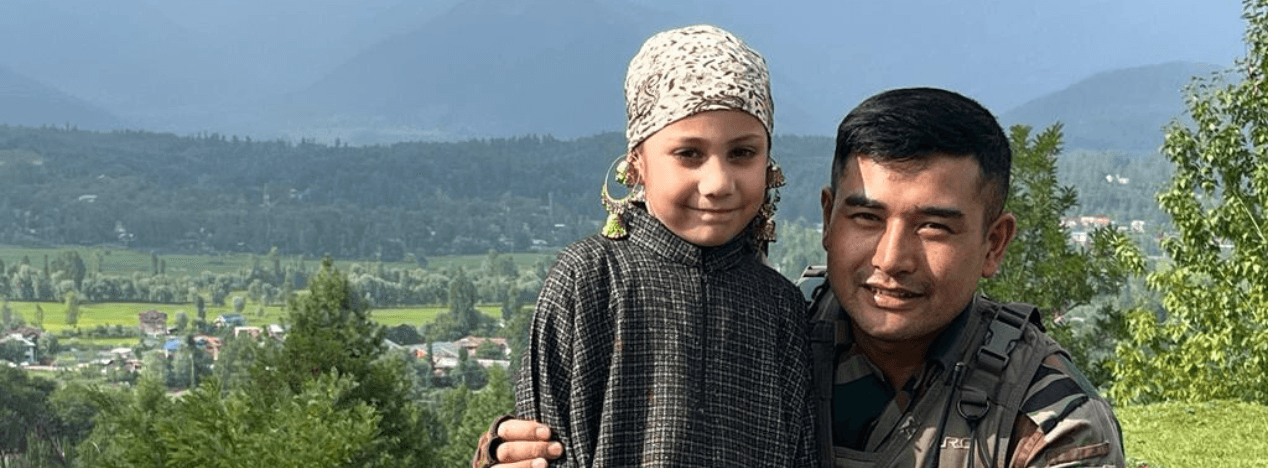
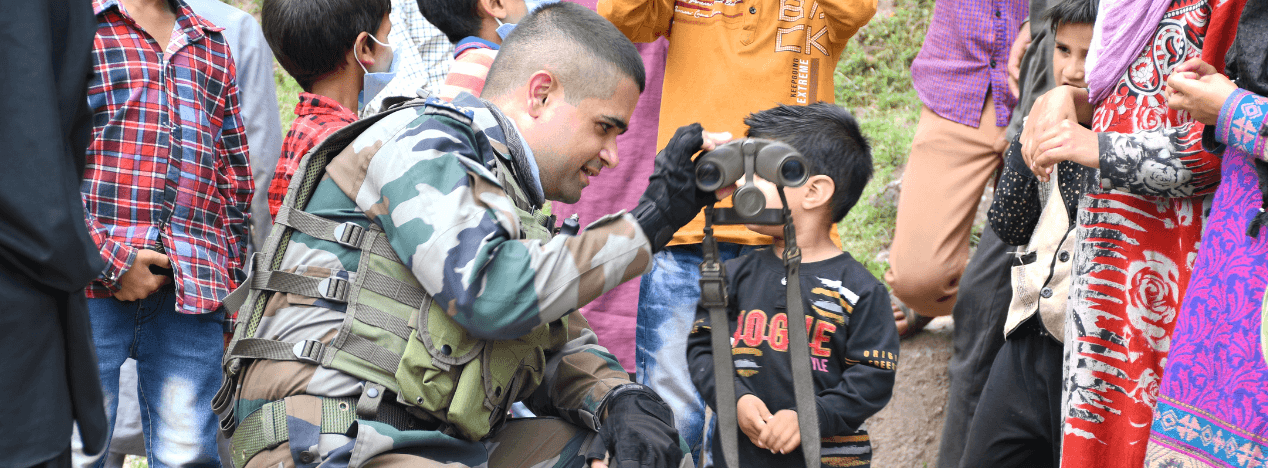
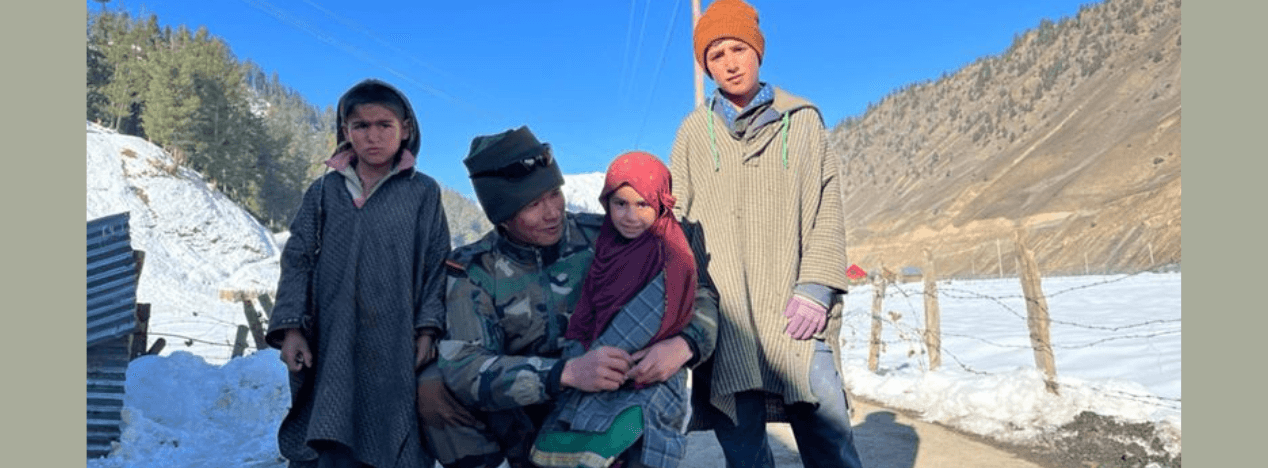
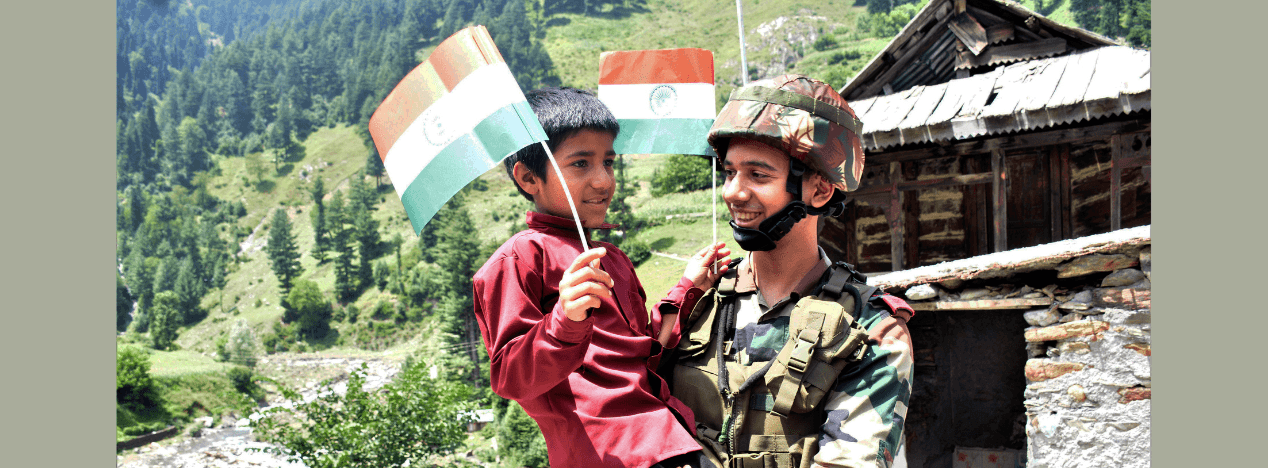
Why Awaam & Sipaah Gallery?
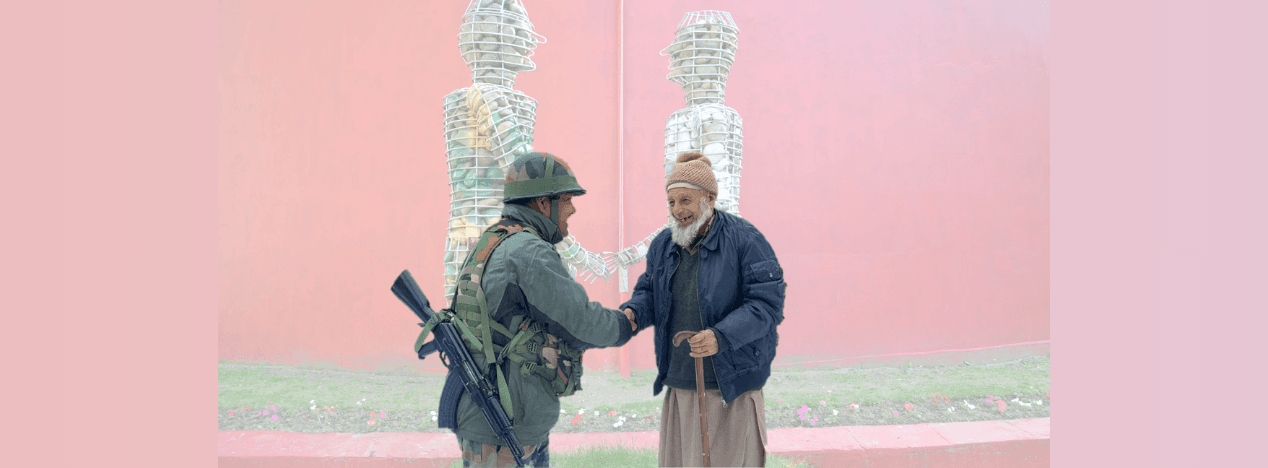
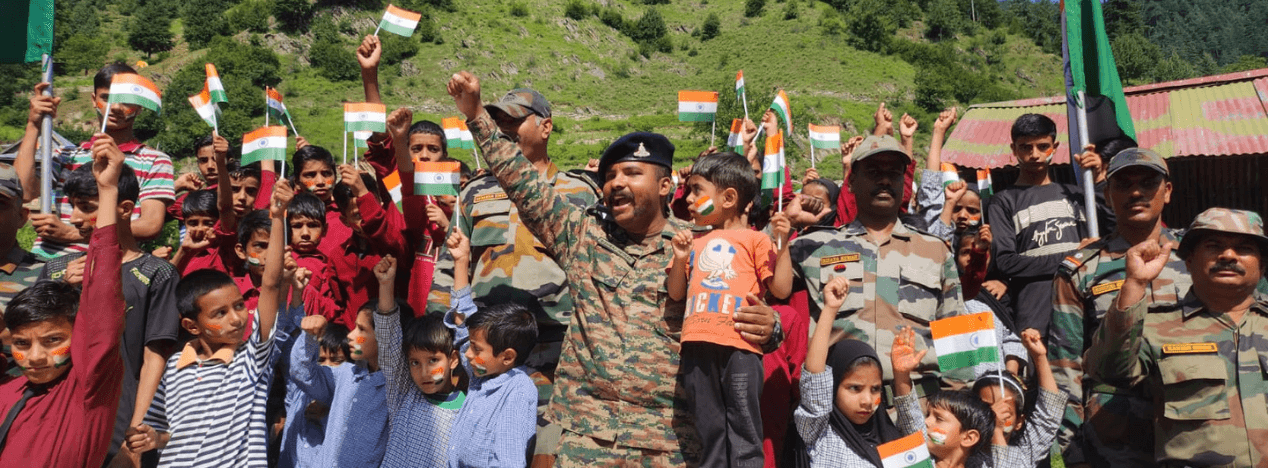
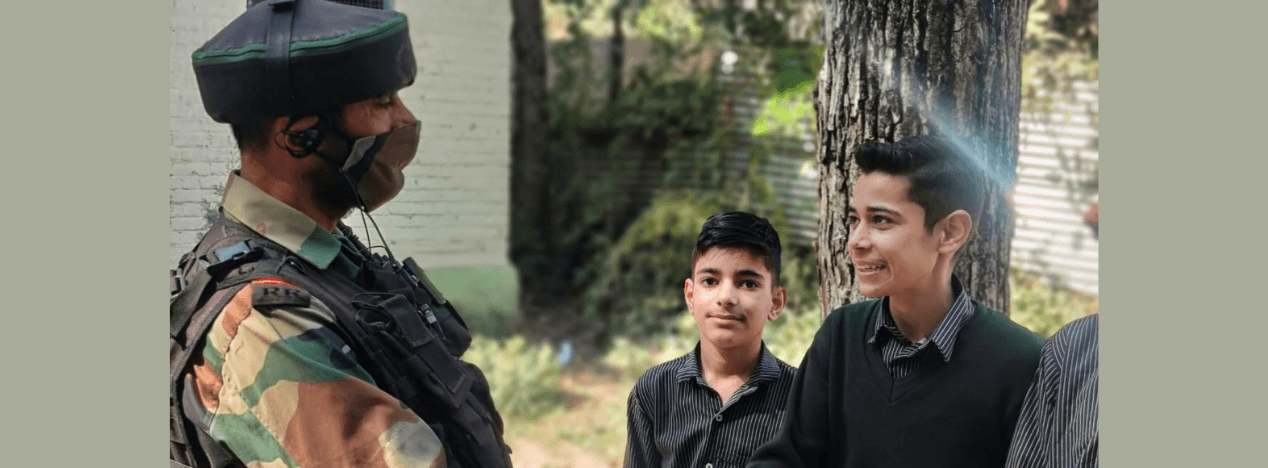
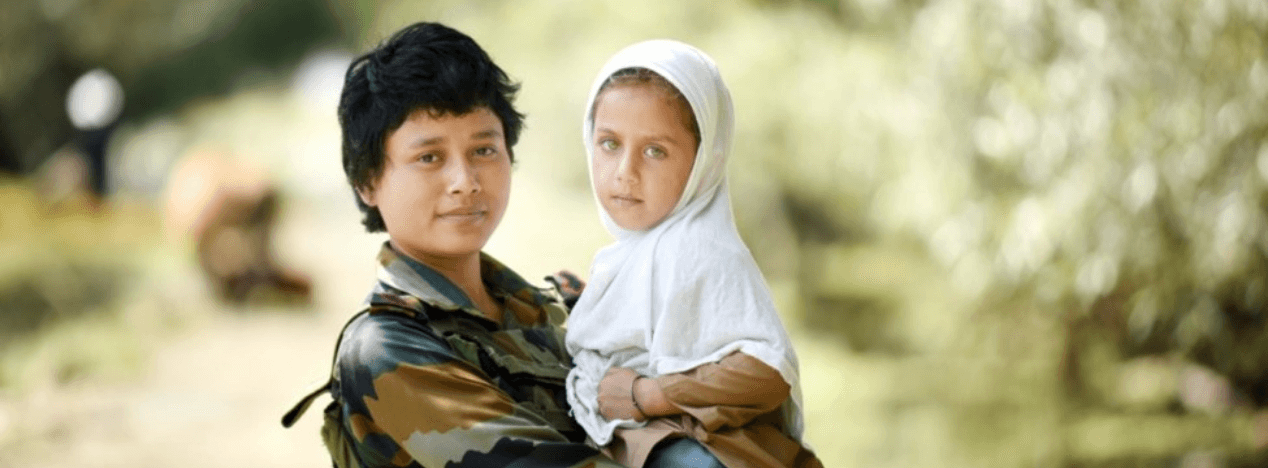
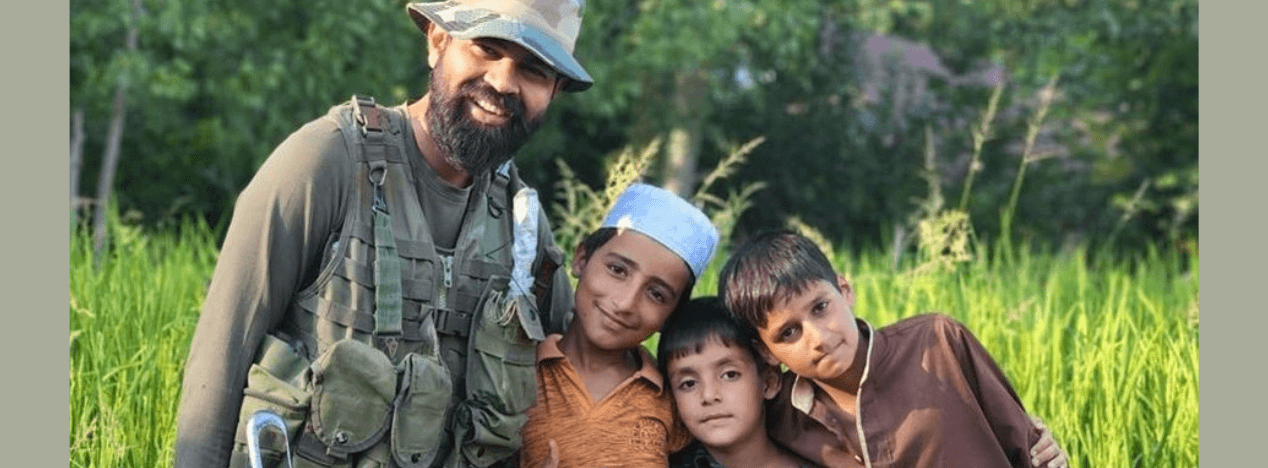
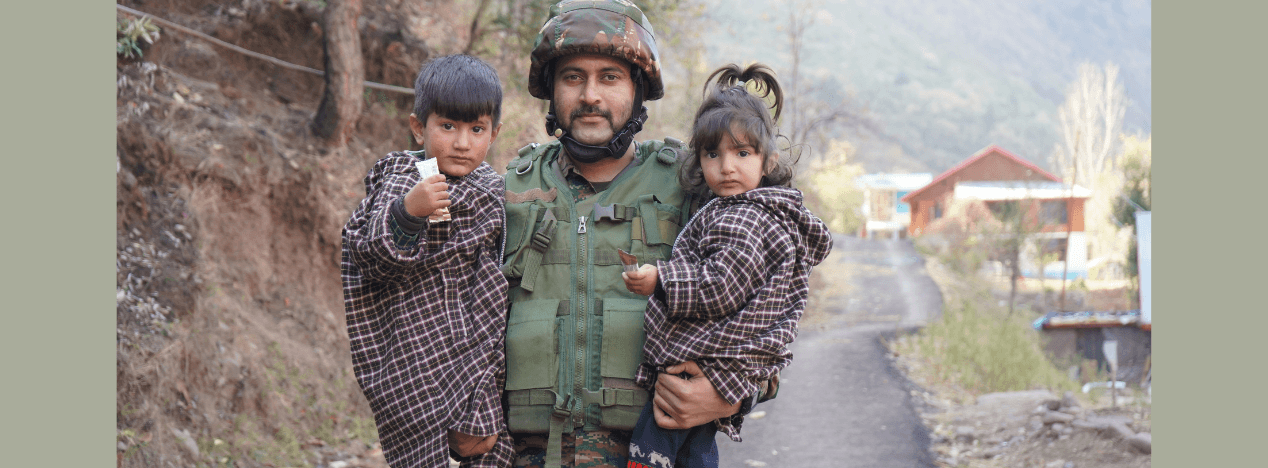
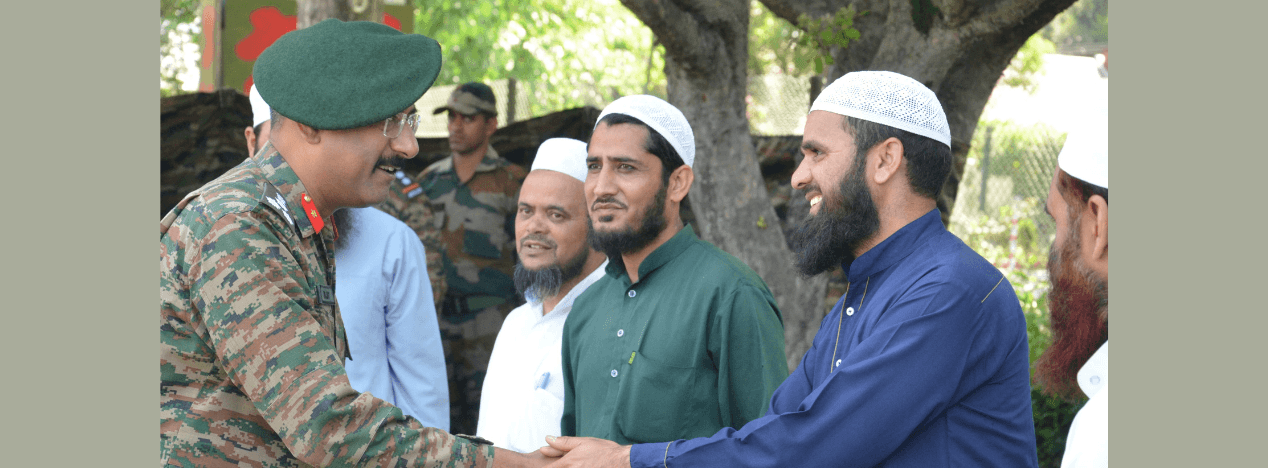
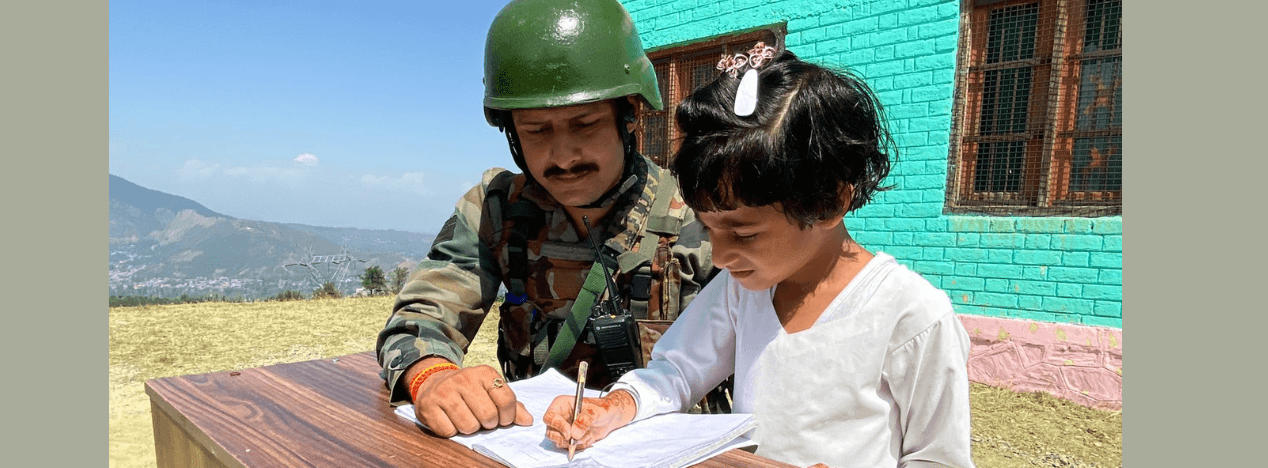
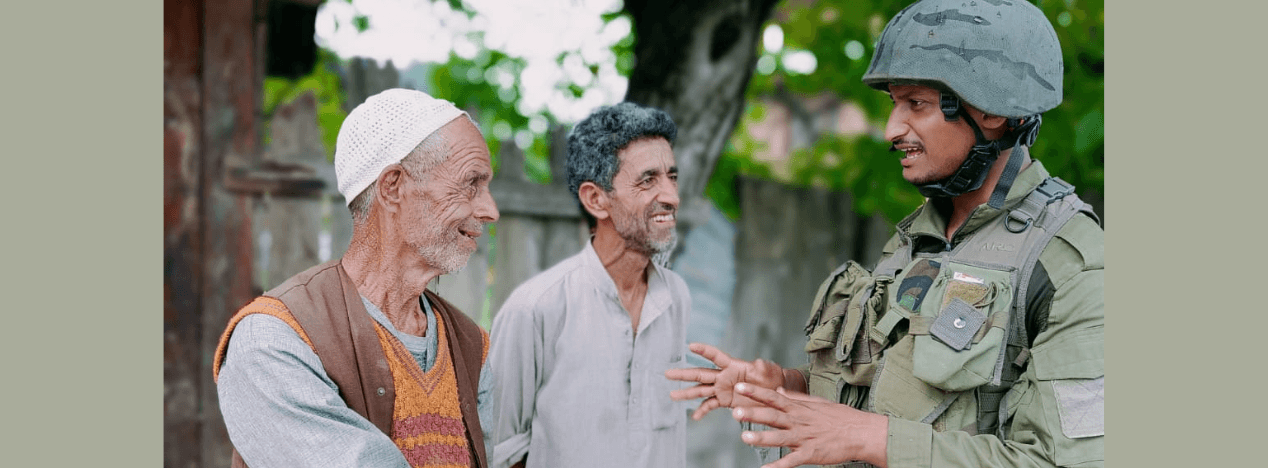
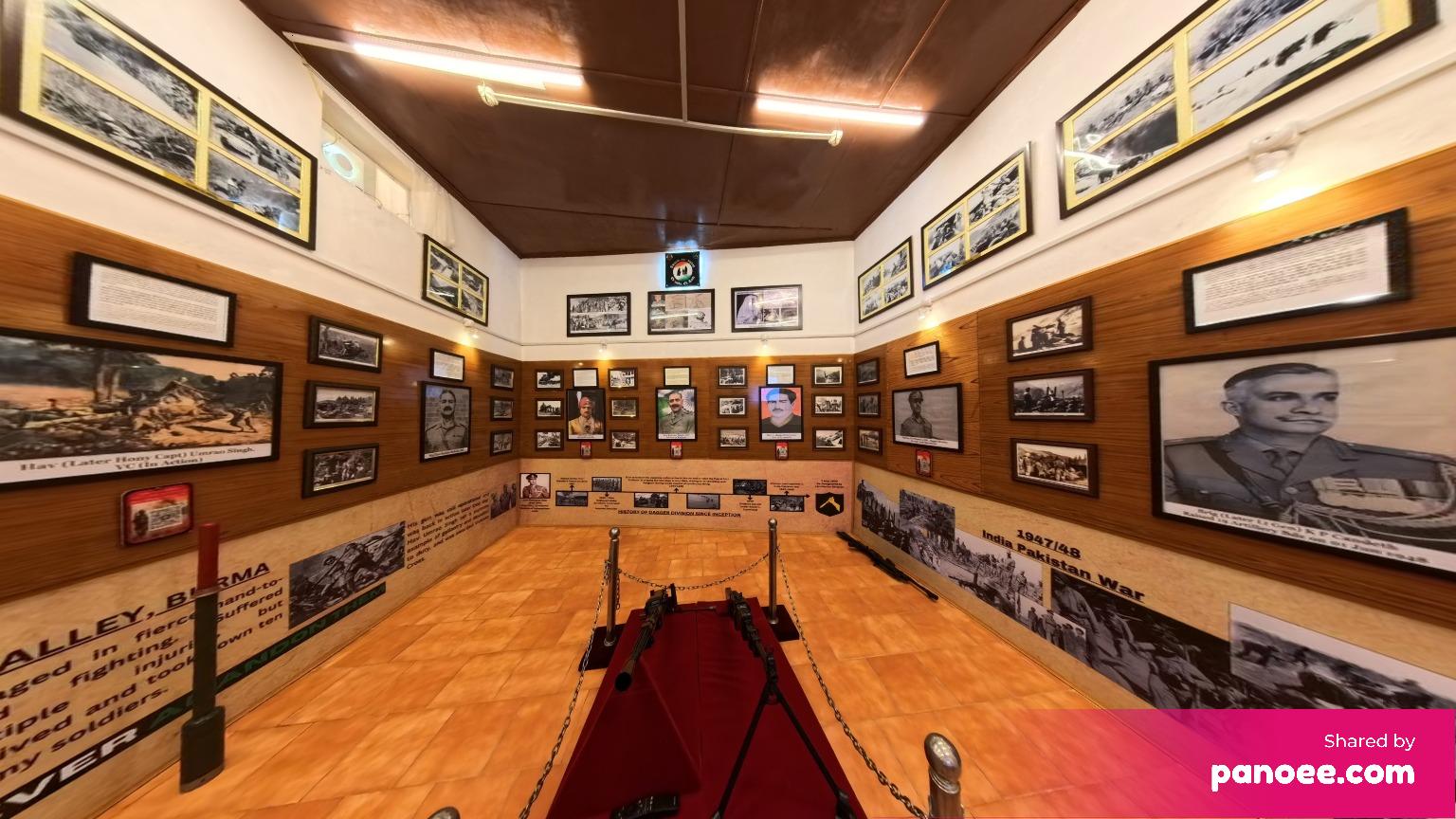
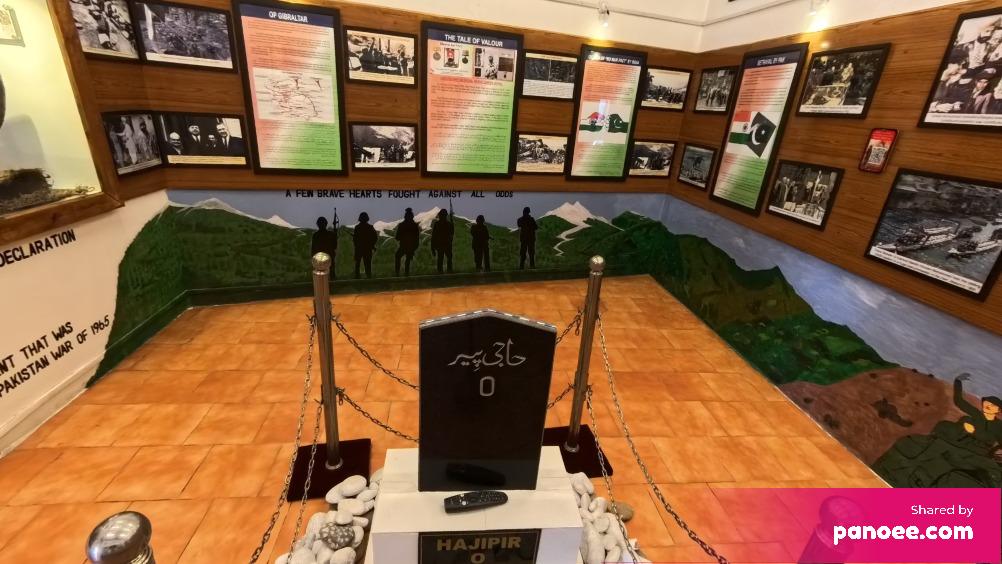
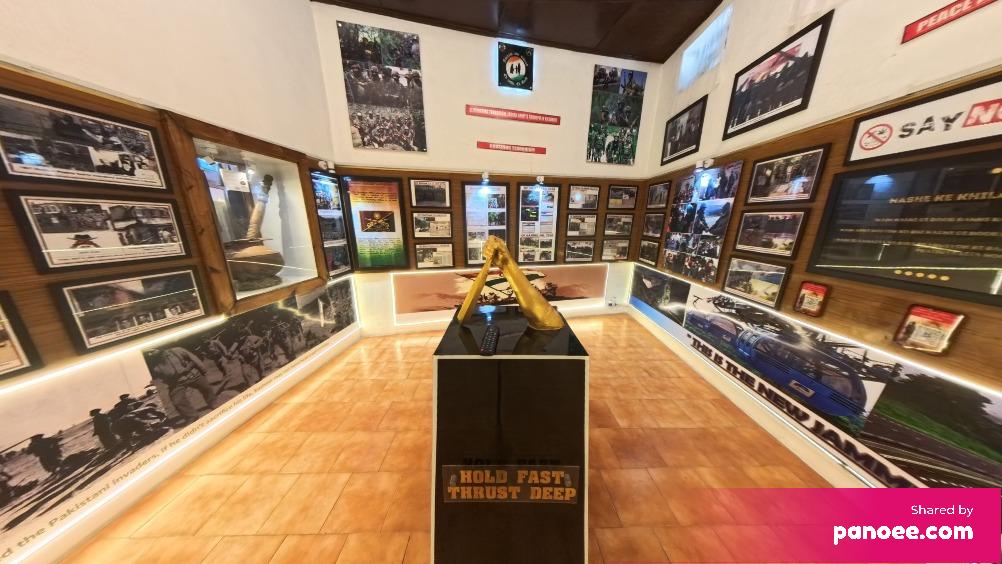
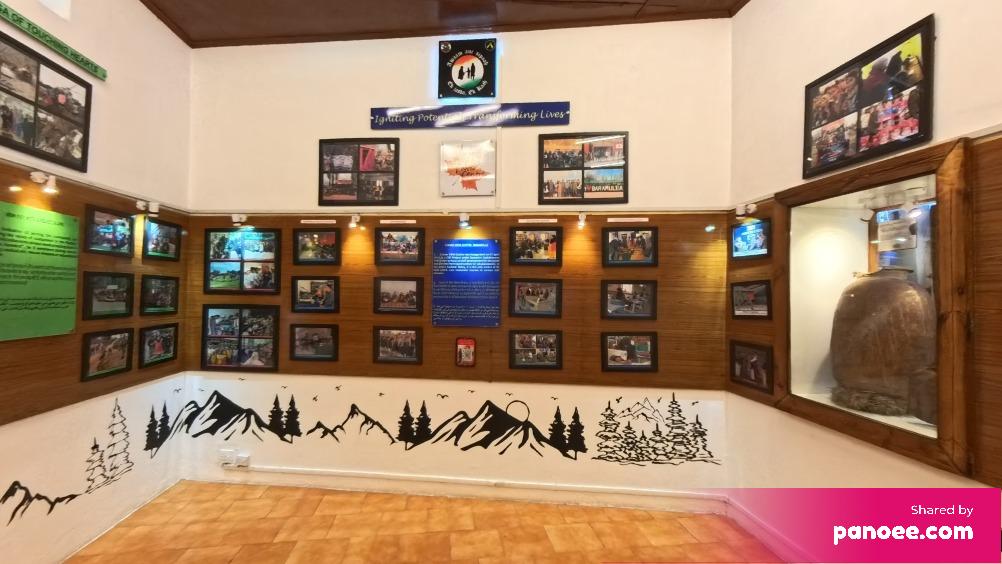
This unique Gallery stands as a tribute to the unwavering bond between the Awaam (locals) and the Sipaah (soldiers), who together have confronted and defeated the forces of evil and subversion through decades of dedication and sacrifice. Built by the people and for the people, the Gallery captures the region’s remarkable journey from the time of independence to the present day. Through carefully curated artefacts, rare photographs, archival films and interactive storytelling sessions led by knowledgeable faculty members, the Gallery tells powerful stories of resilience, unity and mutual trust that have stood the test of time. Each exhibit echoes the sacrifices made on both sides — the valiant soldiers and the brave local people who have consistently thwarted the concealed and divisive designs of hostile elements.
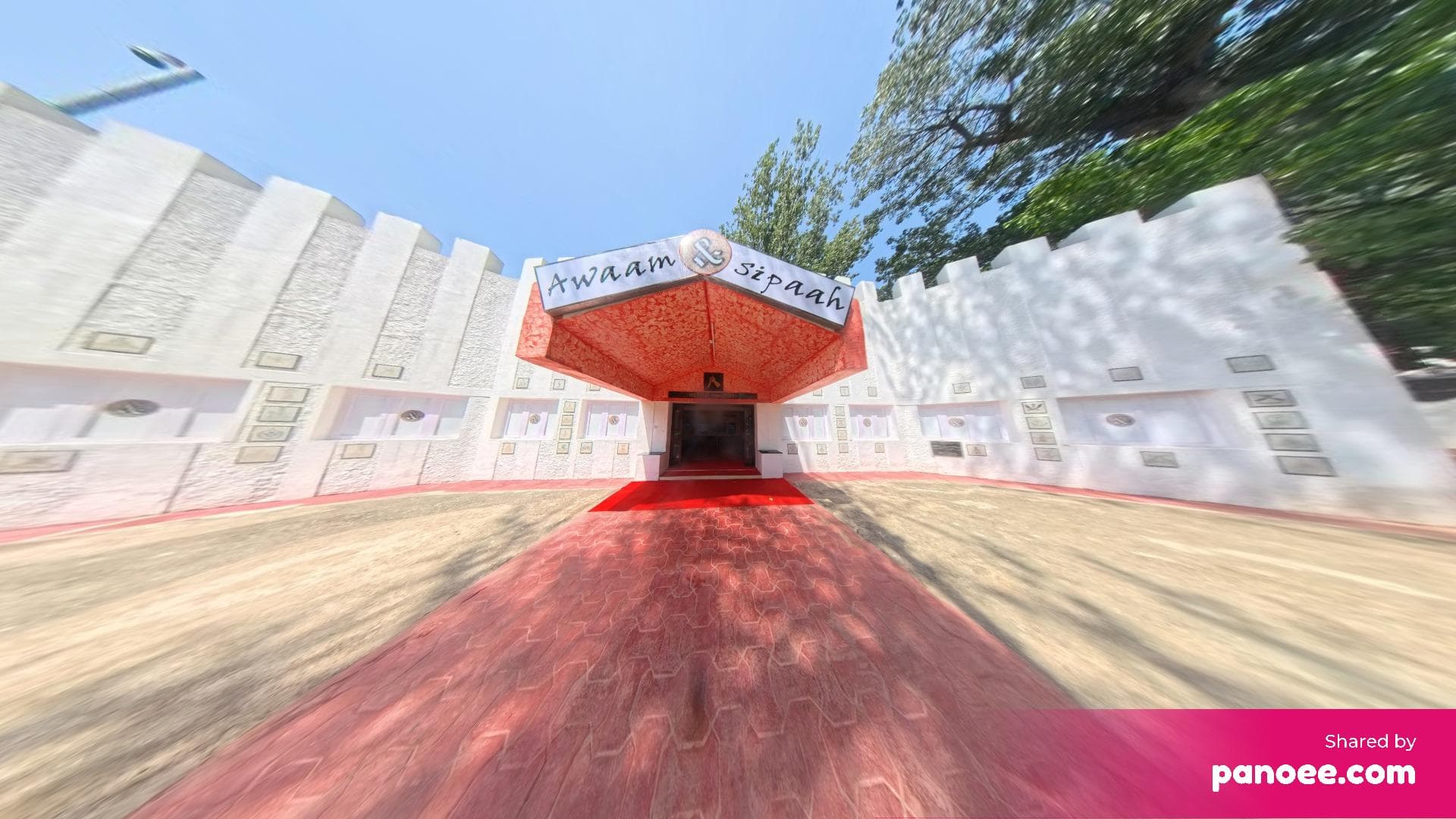
Awaam & Sipaah
The Awaam & Sipaah Gallery is envisioned not merely as a heritage centre, but as a vibrant platform for community engagement, patriotic education and collective reflection. It serves as a living space where stories of Valour, resilience and cooperation between the people and the armed forces come to life — stories often left untold in mainstream narratives. This Gallery warmly invites students, scholars, historians and citizens from all walks of life to walk through the corridors of time, immersing themselves in the struggles, sacrifices and triumphs that have defined the soul of the region.

More than just preserving history, the Gallery inspires a sense of belonging and pride, allowing each visitor to feel the pulse of a people’s indomitable will. It sparks conversations across generations and fosters a deeper understanding of the values that unite us as a nation. With its doors now open to the public, the Awaam & Sipaah Gallery stands as a beacon of unity, a guardian of truth and a timeless reminder of the extraordinary strength that emerges when the people and their protectors walk shoulder to shoulder in pursuit of peace, progress and purpose.
History of Baramulla
Baramulla or Varmul is a historic township founded by Raja Bhimsena in 2306 BC. Pandit Kalhana, in his renowned chronicle Rajatarangini, recounts the legend of the origin of Kashmir — a time when the Valley was a vast lake, hundreds of feet deep, known as Sati Saras (Lake of Sati), named after Sati, the consort of Lord Shiva. According to the legend, a demon named Jalodbhava came to occupy Sati Saras and held the local tribes hostage. As the demon remained submerged in the water where he was invincible, Lord Vishnu summoned his brother Balabhadra, who pierced the surrounding mountains with his plough to drain the lake. Once the waters receded, Vishnu slew the demon, liberating the Valley.
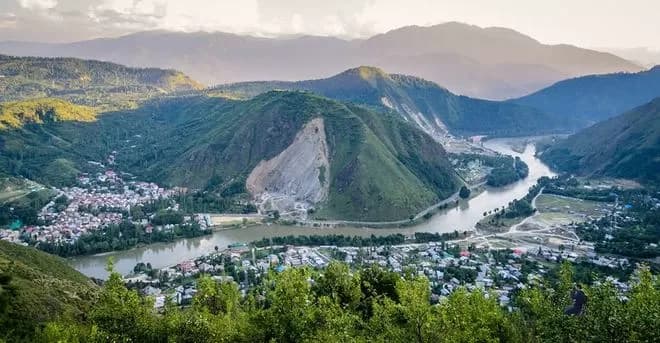
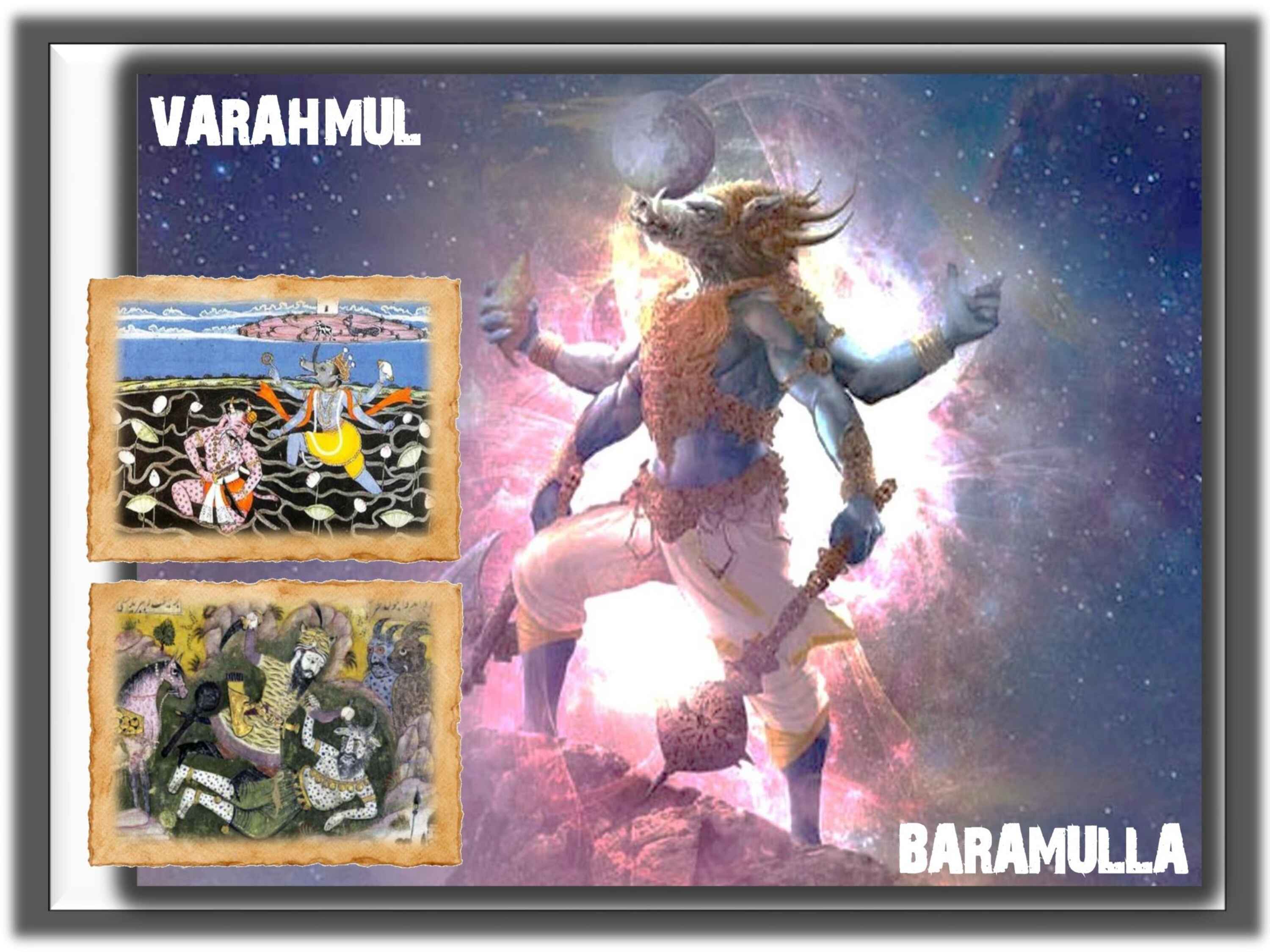
Another legend tells that Lord Shiva took the form of a wild boar and struck the mountains at Baramulla — derived from Vraha (Boar) and Mulla (Molar) — to drain the lake and later killed Jalodbhava. Since ancient times, owing to its strategic geographic location, Baramulla became a home to Hindus, Muslims, Buddhists and Sikhs, who lived in harmony and together nurtured the spirit of Kashmiriyat. This traditional centrality in religion, education and culture amidst the kaleidoscopic influences of various kingdoms, rulers and faiths, ensured that Baramulla remained inextricably linked to the fate and future of the Valley.
The Baramulla Timeline
Heroes of Baramulla